The practice underneath everything
Breathe, sound and slow movement that let the nervous system settle and the body's own intelligence come forward. Continuum is where my work begins, and what it keeps returning to.
What Continuum is
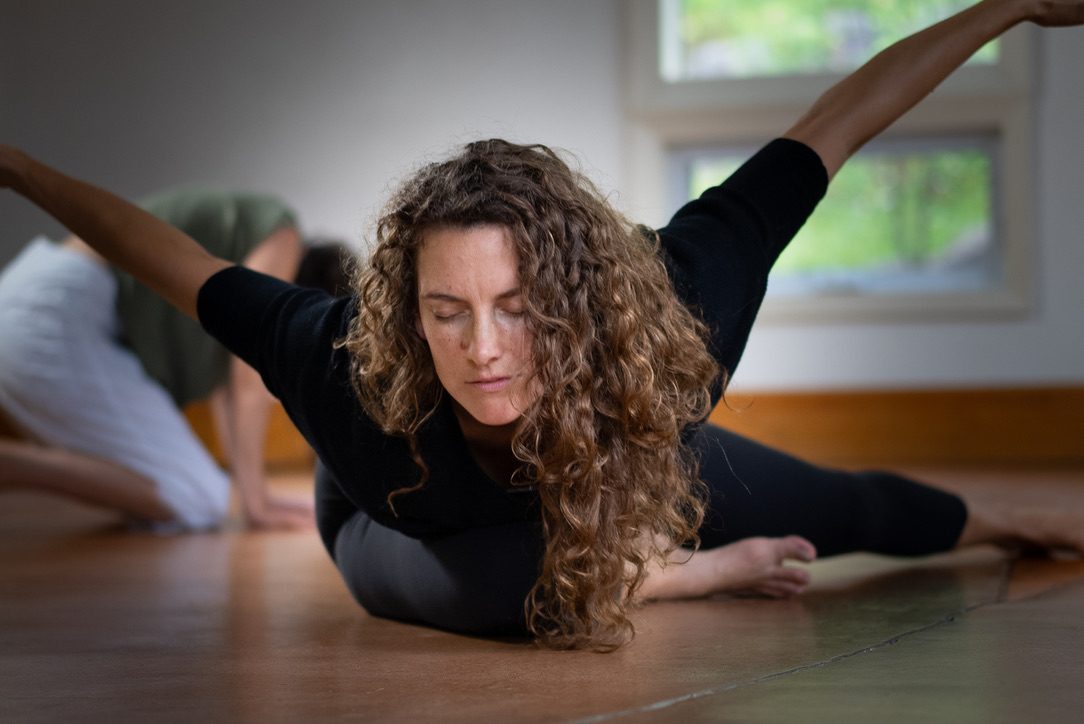
Continuum Movement is a practice of listening to the body as a living, moving process rather than a fixed shape.
We are mostly water, and water moves in waves, spirals and pulses. Continuum uses breath, sound and very slow, unplanned movement to let that fluid nature come forward again. There is no sequence to learn and nothing to get right. We make a sound into the body, feel where it lands, and follow the movement that wants to happen from there, often so small it is almost invisible from the outside.
What people notice first is that the nervous system settles. The breath drops lower, the mind quietens, and sensation becomes more vivid. With time the body begins to reorganise itself: holding softens, old patterns loosen, and a sense of spaciousness and aliveness returns that most of us had forgotten was possible.
A practice, not a technique
A Continuum session has a simple shape. We arrive and settle. I offer a sound, a breath or an image to begin with, and then we move into open attention: making the sound, pausing, noticing what moves, following it. Long periods of stillness are part of it. So is laughter, sometimes tears, and often a deep rest at the end that feels like coming home.
It asks nothing of your fitness or flexibility. People of every age and body practise Continuum. The only requirement is a willingness to slow down and be curious about what is already happening inside you.
Where it comes from
Continuum was created by Emilie Conrad in Los Angeles in 1967, growing out of her years as a dancer and her study of movement, biology and the fluid systems of the body. For more than four decades she taught and refined it with a circle of collaborators, among them Susan Harper, who continues to teach it today.
I studied with Emilie and Susan for many years, and in 2011 Emilie authorized me to teach Continuum. It has shaped how I listen, how I hold space, and how I understand the body's capacity to heal.
How it lives in my work
Continuum runs underneath everything I do. In one-to-one sessions it is the ground we rest into before any inquiry or parts work begins. In retreats it opens the body to the songs and to the land. In the year-long immersion it is the bottom-up path that meets Tanya's top-down inquiry. And from time to time I teach it on its own, in classes and workshops in Nelson and online.
In a session you might
Sound into the body. A long, low tone that you feel more than hear.
Wait. Attention open, nothing to do, noticing what begins to move.
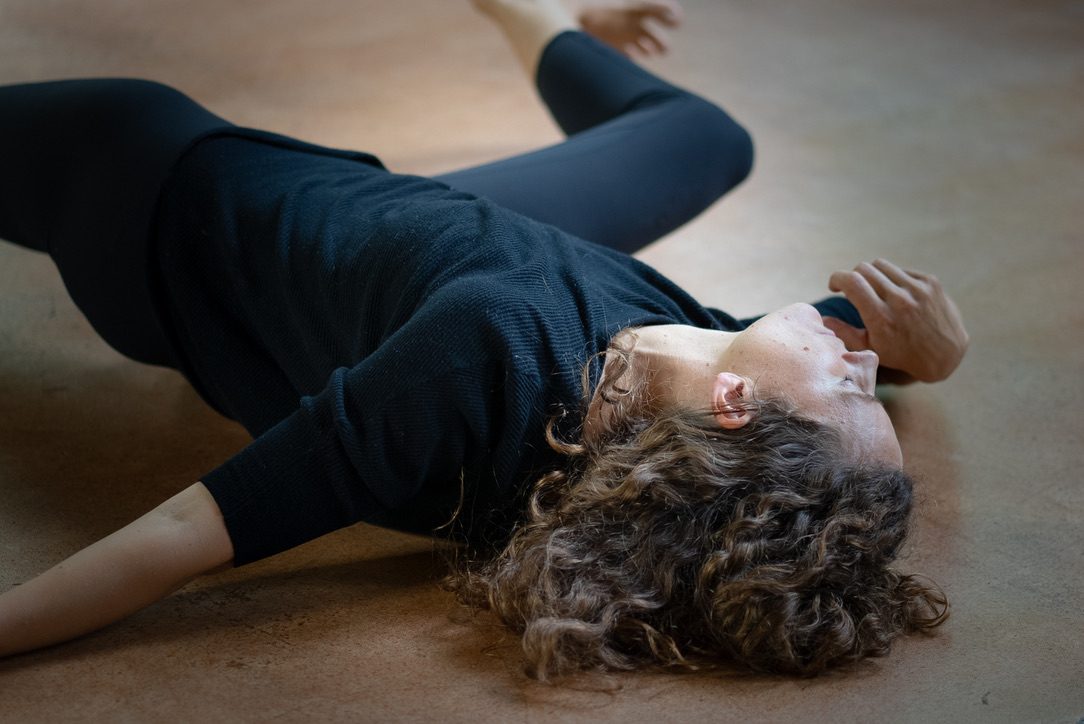
Follow. Slow, unplanned movement, led by sensation rather than intention.
Rest. A deep settling that often stays with you for days.
Classes and workshops
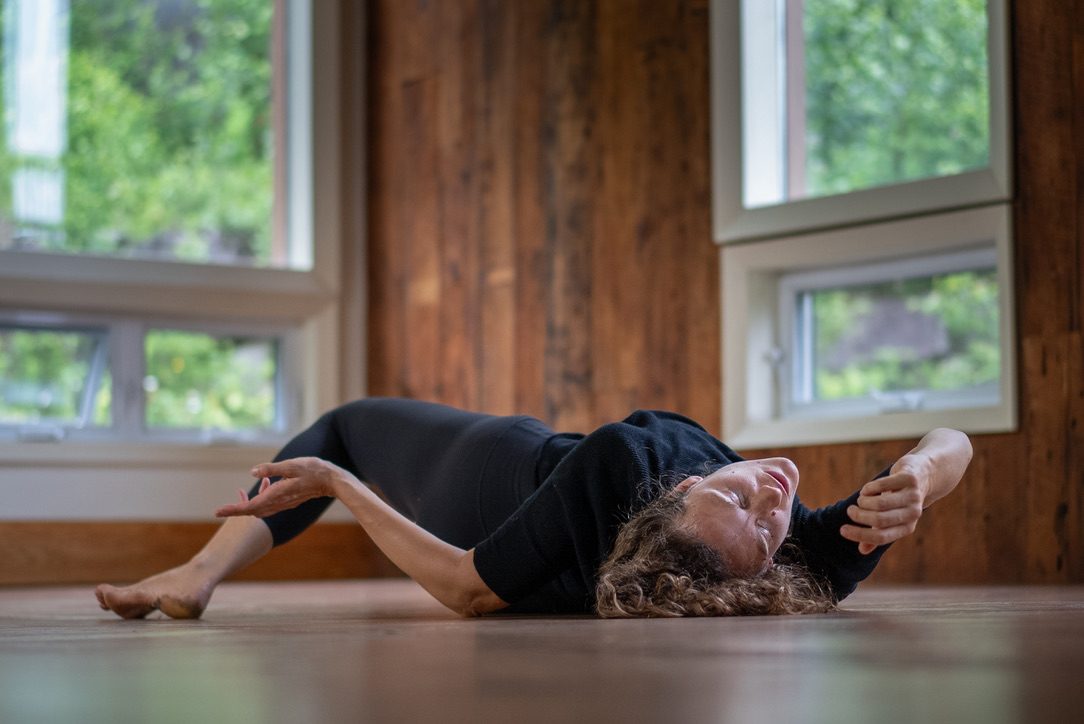
Continuum classes and workshops are announced to the list first. If you would like to practise with me, or bring Continuum to a retreat or a group, let's talk.